

Passenger Information System for Bus and Rail: Connected, Containerized, Centrally Managed.
The Unwired Edge Cloud covers passenger information two ways. A Journey Widget in the captive portal of your passenger Wi-Fi shows delays and connections. And it is the platform for passenger information systems (PIS) that run as containers on the vehicle router, linked to the control center over WAN bonding and VPN.
- Journey Widget
- PIS as a Container
- PIS over VPN
- AVLS Interface
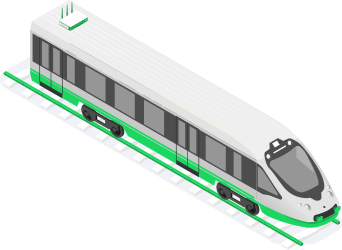
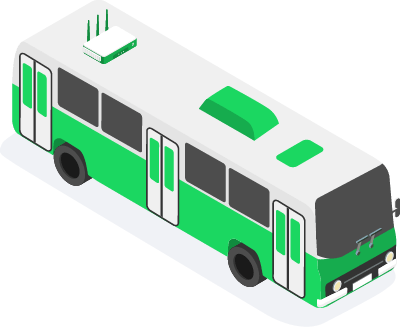 WAN bonding
VPN
PIS container
Control centre
AVLS
TE 222
Rosenheim
on time+2 min
Bus 42
Stachus
on time+3 min
9:41
TE 222 Amsterdam Centraal
Linz HbfMünchen Hbf
Arrival
Platform 4
14:2514:27
München Hbf
14:25 +2
42 to Hauptbahnhof
Next stop
Marienplatz
Portal
Show Delays, Connections and a Live Map in the Passenger Wi-Fi Captive Portal
The Journey Widget in the captive portal tells passengers whether their trip is on time and which connections they will make; the Moving Map shows where the vehicle is. You manage news, points of interest and external feeds in the CMS, with no code. With the Onboard Portal, the content sits on the vehicle router and stays available even in a dead zone.
- Delays and connections in real time
- Moving Map with vehicle position
- CMS content, no coding required


Edge Computing
Run PIS Software as a Container, Not as Another Box in the Cabinet
If your PIS vendor delivers its software as an OCI/Docker container, you run it with Unwired Edge Compute directly on the vehicle router. That router already provides WAN bonding, passenger Wi-Fi and the in-vehicle network. Containers are isolated from the host system and reach system buses such as CAN and RS485. Updates go out over the air, with no firmware build and no technician at the vehicle.
- OCI and Docker images supported
- Access to CAN and RS485
- Over-the-air updates
Modem 1
Modem 2
Modem 3
Modem 4
Connectivity
WAN Bonding Keeps the PIS Connected Even Where Coverage Is Weak
With Unwired CloudLink, the router bundles several cellular connections and LEO satellites into one uplink using packet-based WAN bonding. If one network drops out, the others carry on and the connection never breaks. The PIS reaches the control center and the AVLS over VPN in its own VLAN, separated from passenger traffic on the same in-vehicle network.
- WAN bonding over cellular and satellite
- PIS over VPN to the control center
- Connected to the AVLS

Operations
Manage Every Vehicle's Portal, Containers and Connection in One Platform
In the Unwired Edge Cloud, you manage and monitor passenger information for the entire fleet. Set up the configuration for portal, containers and in-vehicle network once, and new vehicles pick it up through Zero Touch Configuration. Observability shows you, vehicle by vehicle, whether portal, VPN and CloudLink are up, with export via OpenMetrics.
- One platform for the whole fleet
- Zero Touch Configuration for new vehicles
- Export metrics via OpenMetrics
Built for the Fleet.
Connected Through APIs
External Content and Trip Data Flow into the Portal Through Standard APIs
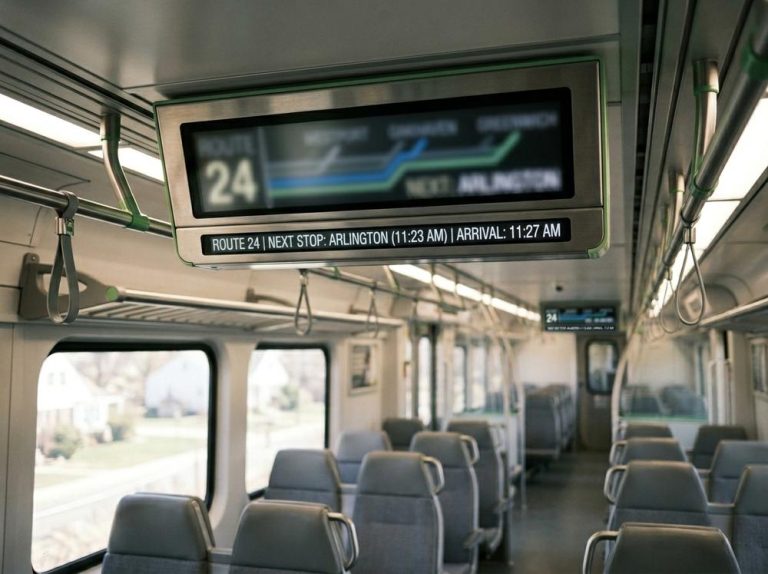
The Unwired Edge Cloud is built API-first. The Journey Widget pulls timetable and real-time data from your systems over an interface; POI data and news come from external sources or the CMS. A containerized PIS talks to the control center and the AVLS directly over VPN. No custom development for the integration: the APIs follow industry standards.
Configured Remotely
Zero Touch Configuration Puts the Portal on Board Without a Site Visit
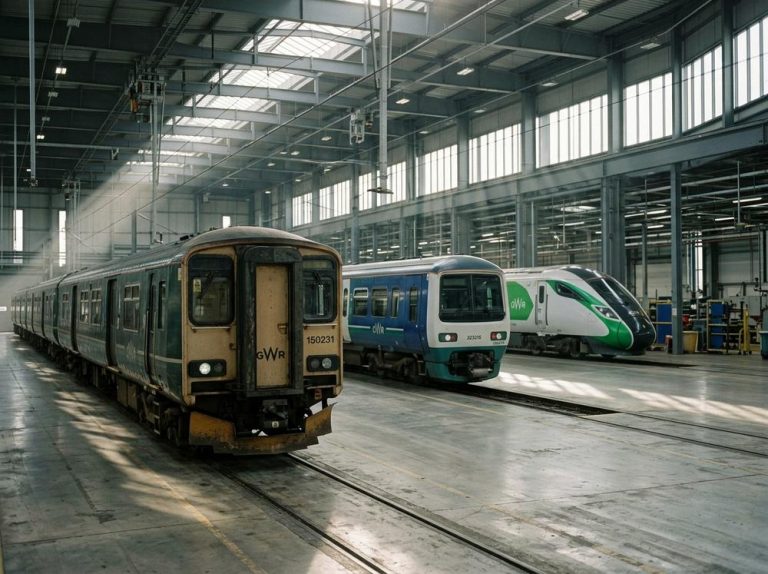
A new vehicle router powers up and reports to the Unwired Edge Cloud. It picks up the configuration of its vehicle group and brings up passenger Wi-Fi, captive portal and PIS container. No one has to go to the vehicle. Unwired Edge Cloud OS runs on supported routers and access points from several vendors, and you roll out to hundreds of vehicles in parallel.
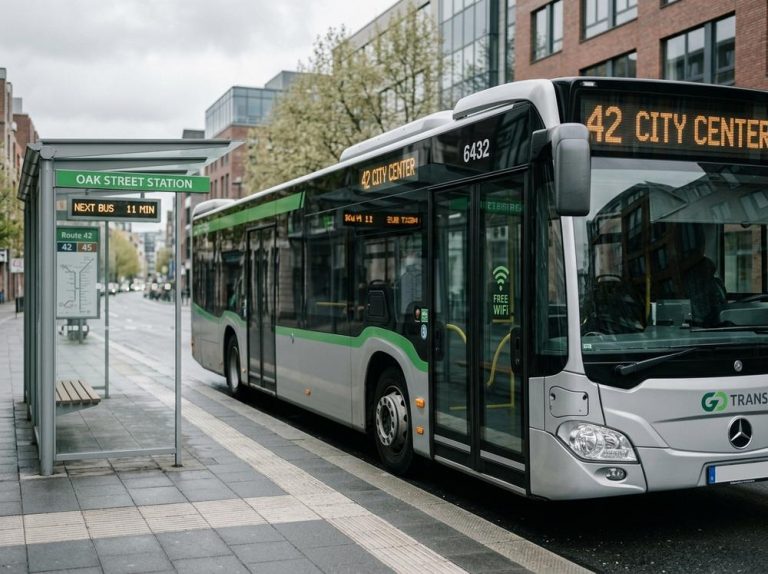
One Portal Design for Train, Bus and Station, Maintained Centrally
The captive portal comes in two deployment models. The Cloud Portal runs entirely in the Unwired Edge Cloud and works on small access points, too. On more powerful vehicle routers, the Onboard Portal is available as an option: its content is synced to the vehicle and stays reachable without an uplink. You maintain both in the same CMS, and passengers move between vehicle and station without signing in again.
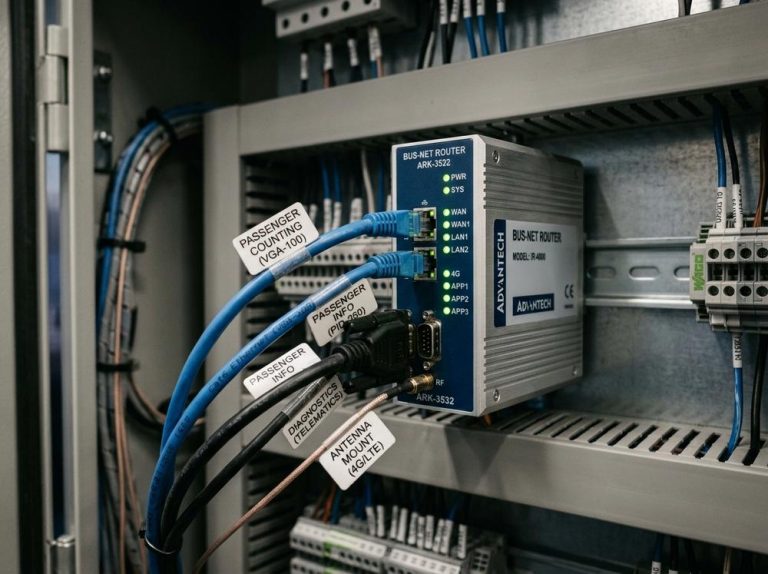
One Network, Separate Segments
Passenger Wi-Fi and Onboard Applications, Separated on One Infrastructure
Passenger traffic, the PIS and other onboard applications such as passenger counting each run in their own VLAN on the same router. The Unwired Edge Cloud OS firewall keeps the segments apart: the PIS reaches the control center over VPN, passenger traffic goes out to the internet. You install router, uplink and in-vehicle network once and use them for passenger Wi-Fi and onboard applications alike.

Tender-Ready
Portal and Platform Meet GDPR, NIS2 and WCAG Level AA
The captive portal complies with GDPR and the DSA and is accessible to WCAG Level AA. Login variants such as SMS authentication come with their own terms of use. In the supported countries, Unwired itself acts as the internet service provider and covers the obligations of the Telecommunications Act (TKG). Development and operation of the Unwired Edge Cloud are certified to ISO 27001 and ISO 9001.

Next Application Included
From One Container to a Kubernetes Cluster in the Vehicle as the Fleet Grows
The PIS container is only the first application. Passenger counting, diagnostics or applications from your own suppliers run as further containers on the same platform, with the same rollout and the same observability. As demand grows, they run as Kubernetes workloads with Unwired Edge Compute for Kubernetes, on the router or on separate compute hardware. Read more about Kubernetes in the vehicle.
Fewer Devices, Fewer Suppliers, One Platform to Run It All.
Less Hardware on Board
The PIS runs as a container on the router that is already there for Wi-Fi and uplink. One device less per vehicle, one thing less to maintain.
API-First
Timetable and real-time data over standard APIs.
Compliant
GDPR, DSA, WCAG Level AA and TKG covered.
Vendor-Agnostic
Runs on supported routers from several vendors.
Long-Term Updates
Ten years of software support for the OS.
One Supplier for Operations
Portal, network, container runtime and observability come from Unwired and are maintained centrally. When something fails, you have one point of contact, not three.
Supported Devices.
We already support a wide range of devices, and we add more all the time. See the full list here.
Learn More







FAQ
What Is a Passenger Information System, and Where Does the Unwired Edge Cloud Come In?
A passenger information system (PIS) keeps passengers up to date with timetables, delays, connections and disruption notices. Traditionally that happens through displays and announcements in the vehicle. This onboard PIS is usually a system of its own and is not integrated into the captive portal of the passenger Wi-Fi. The Unwired Edge Cloud does not make displays or onboard computers; it is the cloud-based platform underneath. It does two things. First, the Journey Widget in the captive portal puts delays, connections and a Moving Map on every passenger’s smartphone; it gets that data through a feed from the operator’s ITCS. Second, Unwired Edge Compute is the platform on which you run your PIS vendor’s software directly on the vehicle router, provided it is delivered as a container; WAN bonding and VPN connect it to the control center and the AVLS. Both are managed and monitored centrally in the Unwired Edge Cloud.
Which Vendors and Providers Offer Passenger Information Systems for Bus and Rail?
The market splits into three groups. Hardware vendors supply the onboard computers, displays and PA systems in the vehicle. Software providers for ITCS and control centers deliver timetable and real-time data and control what gets shown. The third group are platforms for connectivity and operations, which connect, run and monitor those components in the vehicle. The Unwired Edge Cloud belongs to the third group: it brings passenger information to smartphones through the captive portal of the passenger Wi-Fi and is the platform on which operators run PIS software as a container on the vehicle router, vendor-agnostic. For the PIS software itself, Unwired works with solution partners such as ETC Solutions and Interautomation. When you compare options, four questions are worth asking. Does it have open interfaces, so timetable and real-time data can come from your existing ITCS? Can you roll it out to the whole fleet centrally, or does every vehicle need to be configured by hand? Are passenger traffic and onboard applications separated in the in-vehicle network? And how long does the software receive security updates?
What Hardware Does a Passenger Information System on the Unwired Edge Cloud Need?
For passenger information in the passenger Wi-Fi, a vehicle router or access point running Unwired Edge Cloud OS is all it takes; passengers use their own smartphones. Supported devices come from several vendors, including Netmodule/Belden, Teltonika and Televic/GSP, and you can mix them. If the PIS software is to run as a container, you need a router with enough processing power; a separate onboard computer is no longer required. Displays and PA systems remain the PIS vendor’s domain and connect through the in-vehicle network. Unwired can supply the hardware together with the service, so you need no infrastructure of your own on site.
Can a Passenger Information System Be Retrofitted to Existing Vehicles Without New Onboard Computers?
Yes, in two ways. The fastest is the passenger Wi-Fi. Vehicles that already have a router running Unwired Edge Cloud OS get the Journey Widget in the captive portal through a configuration change in the Unwired Edge Cloud. No rewiring, no technician in the vehicle. The second way is the container: if your PIS software runs as an OCI/Docker container, it is rolled out over the air to the existing router, provided the router has enough power. Existing displays stay connected through the in-vehicle network. Routers from other vendors can often keep running on Unwired Edge Cloud OS; the list of supported hardware shows which devices are supported.
How Do Delays and Connections Get into the Captive Portal of the Passenger Wi-Fi?
Through the Journey Widget. It pulls timetable and real-time data from the operator’s systems over an API and shows delays, connections and the vehicle’s position on the Moving Map for each trip. You decide in the CMS which widgets appear in the portal and how they look, no programming skills needed. Add news, videos or POI content there, or pull them in from external sources. The portal is rolled out centrally and kept up to date with current browsers and devices.
What Happens to Passenger Information When the Cellular Connection in the Vehicle Drops?
That depends on the setup. With Unwired CloudLink, the router bundles several cellular and satellite connections through WAN bonding; if one network fails, traffic carries on over the others, and a full drop becomes rare. If every uplink does drop, a PIS container in the vehicle keeps running; it only needs the connection for new real-time data and updates. If the Onboard Portal is in use, the captive portal stays reachable too, because its content sits on the vehicle router; delay data refreshes as soon as an uplink is back. Afterwards, the observability of the Unwired Edge Cloud shows where and for how long the connection was missing, as input for network planning and SLA evidence.
Does Passenger Information in the Passenger Wi-Fi Replace Displays and Announcements in the Vehicle?
No, it complements them. Displays and announcements reach every passenger at once and are mandatory in many tenders. The captive portal reaches each passenger on their own smartphone with information about their trip: connections, delays, position, surroundings. It also adds things displays can’t do, such as a support form or holding a connection at the passenger’s request. Both run on the same infrastructure in the vehicle: router, uplink and in-vehicle network are installed once and used for passenger Wi-Fi and PIS alike, separated in their own VLANs. That way operators avoid running two parallel systems for Wi-Fi and onboard applications.

